
Import Customs Clearance
Every stage of import, from summary declaration to bonded warehouse, from declaration registration to delivery.
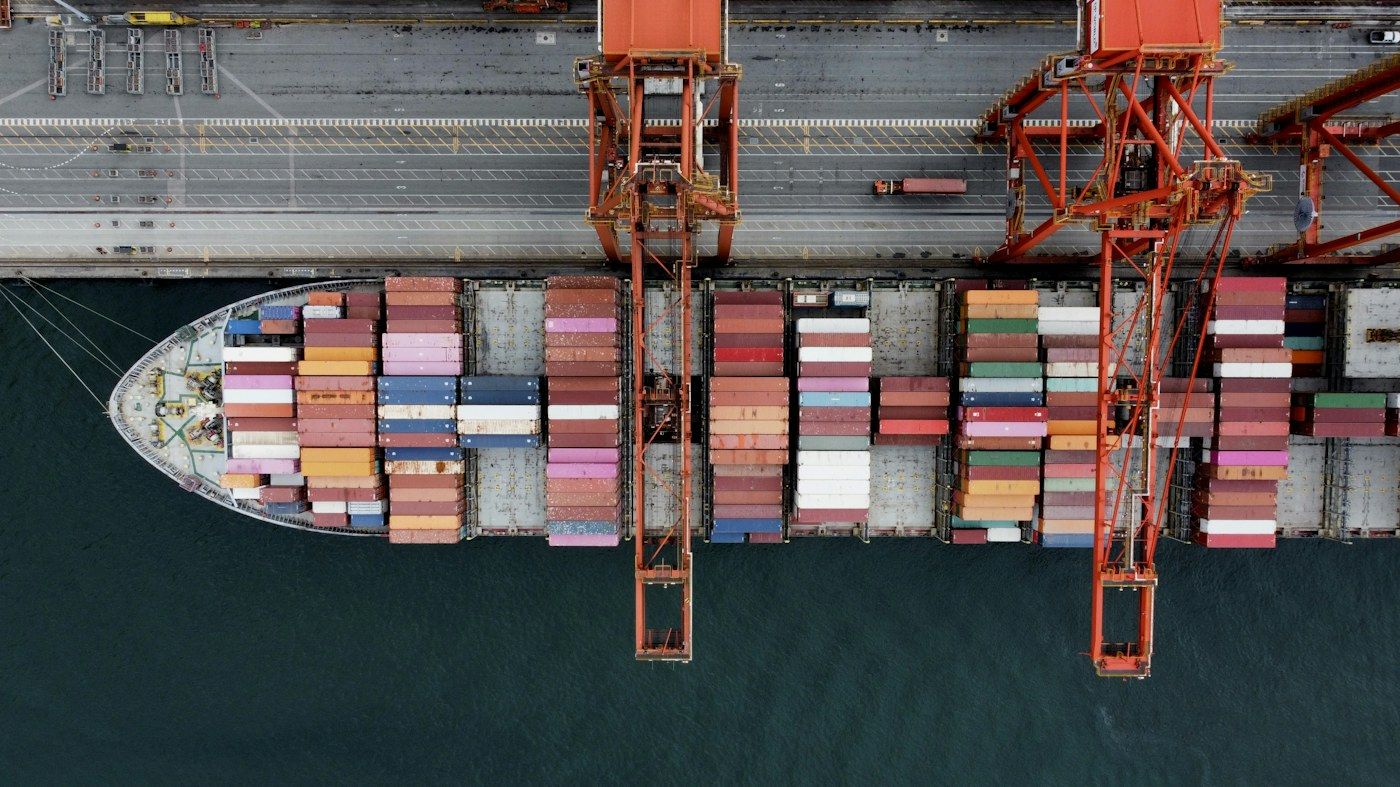
Import customs clearance is the process of declaring goods from abroad to customs, calculating and paying the taxes, having the goods inspected where required, and delivering them to the buyer. At Akyol Gümrük, we handle the whole process on behalf of your company through a dedicated customer representative.
The process starts before you place the order. We determine the HS code of the goods, review the regulations that apply and calculate the total cost including taxes in advance. When the goods reach Turkey, we follow the summary declaration, temporary storage or bonded warehouse, document applications, declaration registration and inspection; once the taxes or a guarantee are paid, we deliver the goods and documents to you.
We work across all regimes: release for free circulation, temporary import, inward processing and processing under customs control. We can also plan the transport of your goods with our international transport team and the cargo insurance with our insurance agency as part of the same process.
How Does Import Customs Clearance Work?
Import consists of six main steps that start before the order and end with the delivery of the goods. The order of the steps is the same for all goods; the required documents and taxes depend on the HS code and the country of origin.
Preliminary Review and Cost Calculation
The regulations that apply to the goods are reviewed, and the total import cost including customs duty, VAT and any other taxes is calculated before the order is placed.
HS Code Classification
The GTİP (Turkish HS code) is the 12-digit code of the goods in the customs tariff schedule. It determines the tax rates and the permits and documents required.
Arrival, Summary Declaration and Temporary Storage
When the goods reach Turkey, the carrier submits the summary declaration. The goods wait in temporary storage or a bonded warehouse until the customs declaration is filed; the delivery order is obtained and operations begin.
Document Applications
Depending on the HS code, applications for TSE, TAREKS, agricultural control certificates, import licences, tariff quotas or registration certificates are filed and completed.
Declaration Registration and Inspection
The customs declaration is registered electronically. The system assigns a green, yellow, red or blue channel based on risk: the yellow channel means a document check, and the red channel means a physical inspection in addition to the document check.
Tax Payment and Delivery
The calculated taxes or a guarantee are paid, and the goods are cleared from customs and delivered to the buyer. The documents are handed over to the company with a document delivery form.
Which Documents Are Required for Import?
Every import requires the basic commercial documents; product-specific permits and conformity documents are determined by the HS code of the goods.
| Document | What is it for? |
|---|---|
| Commercial invoice | Shows the price of the goods and the terms of sale; the basis of the customs value. |
| Transport document (bill of lading, CMR, air waybill) | Shows where the goods were carried from and to, and by whom. |
| Packing list | Gives the number of packages, weight and packaging details. |
| Proof of origin (A.TR, EUR.1, certificate of origin) | Proves the origin of the goods; needed to import at preferential tax rates from partner countries. |
| Freight and insurance documents | Show the transport and insurance costs added to the customs value. |
| Product-specific permits and conformity documents | Such as TSE, TAREKS, agricultural control certificates, import licences or registration certificates; required depending on the HS code. |
Which Taxes Are Paid on Imports?
The rates of the taxes paid on imports depend on the HS code and the country of origin of the goods. That is why the net cost is calculated per item after the HS code has been determined.
- Customs duty: on the customs value, at a rate set by HS code and origin
- Additional customs duty: on certain products and certain countries of origin
- Anti-dumping duty: on products and countries determined by investigation
- Value added tax (VAT): on the total of the customs value, customs duty and other costs
- Special consumption tax (ÖTV): only on products in the ÖTV lists
- Stamp duty and related fees
Which Customs Regimes Do We Work With?
- Release for free circulation
- Goods on which taxes have been paid become available to be bought, sold and used in Turkey.
- Temporary import
- Goods not released for free circulation are used in Turkey with exemption from import duties and re-exported in the same condition.
- Inward processing
- Raw materials and intermediate goods used to make products for export are imported without paying customs duties, or against a guarantee. See Incentives and Grants for details.
- Processing under customs control
- Goods are processed under customs supervision into a product with a lower tax rate before being released for free circulation.
What We Do in the Import Process
- Regulatory review, duty and cost calculation for the goods to be imported
- Tracking every stage of logistics from the order onwards
- Tracking the arrival of goods and document details with the carrier
- Arranging bill of lading endorsements, where applicable
- HS code classification of the goods
- Obtaining the delivery order and handing it to the operations department
- Registering the customs declaration and following up the procedures
- Preparing documents for customs regimes with economic impact
- Completing applications for TSE, TAREKS, agricultural control certificates, import licences, tariff quotas and registration certificates
- Customs acceptance and registration, and inspection of the goods
- Recording reports and informing the relevant units in case of shortage, damage or error
- Paying guarantees or duties and delivering the goods
- Handing over the documents to you with a document delivery form
Frequently Asked Questions.
If you can’t find the answer to your question, write to us or call 0212 540 40 77.
Which Customs Regimes Do You Work With?
We work across all regimes: release for free circulation, temporary import, inward processing and processing under customs control.
Which Documents May Be Required for Import?
Depending on the goods, TSE, TAREKS, an agricultural control certificate, an import licence, a tariff quota or a registration certificate may be required. We file the applications and follow them through to completion.
Can You Import Without a Customs Broker?
Customs regulations allow the declaration to be filed by the owner of the goods. However, because HS code classification, document applications and tax calculation require expertise, companies usually carry out import procedures through a customs broker.
Who Can Import Goods?
Any individual or legal entity with a tax number can import. A tax number is not required for products covered by special agreements (books and other publishing products) or for products permitted for retail sale.
What Is Temporary Import?
Temporary import is a customs regime that allows goods not released for free circulation to be used in the Turkish customs territory with exemption from import duties and to be re-exported in the same condition.
Other Services
 Export
 procedures from HS code classification to certificates of origin and closing the export declaration.
 Consultancy
Planning and execution for investment incentives, free zones, and inward and outward processing permits.
 Audit
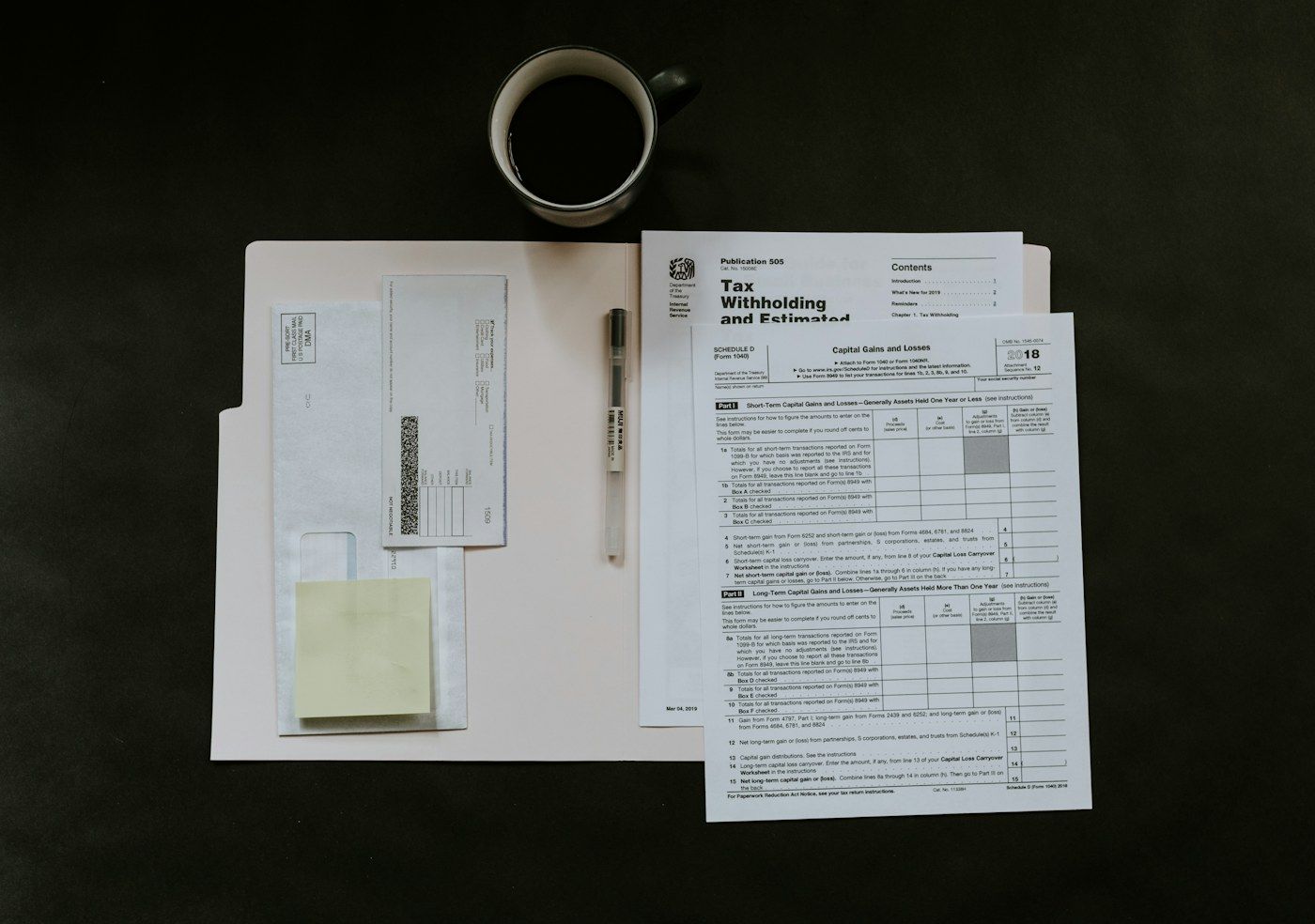
Risk mapping, internal control, post-clearance audit preparation and audits of AEO-certified companies.
 Incentives and Grants
Investment incentive and inward processing permits; export grants from application to result.
 International Transport
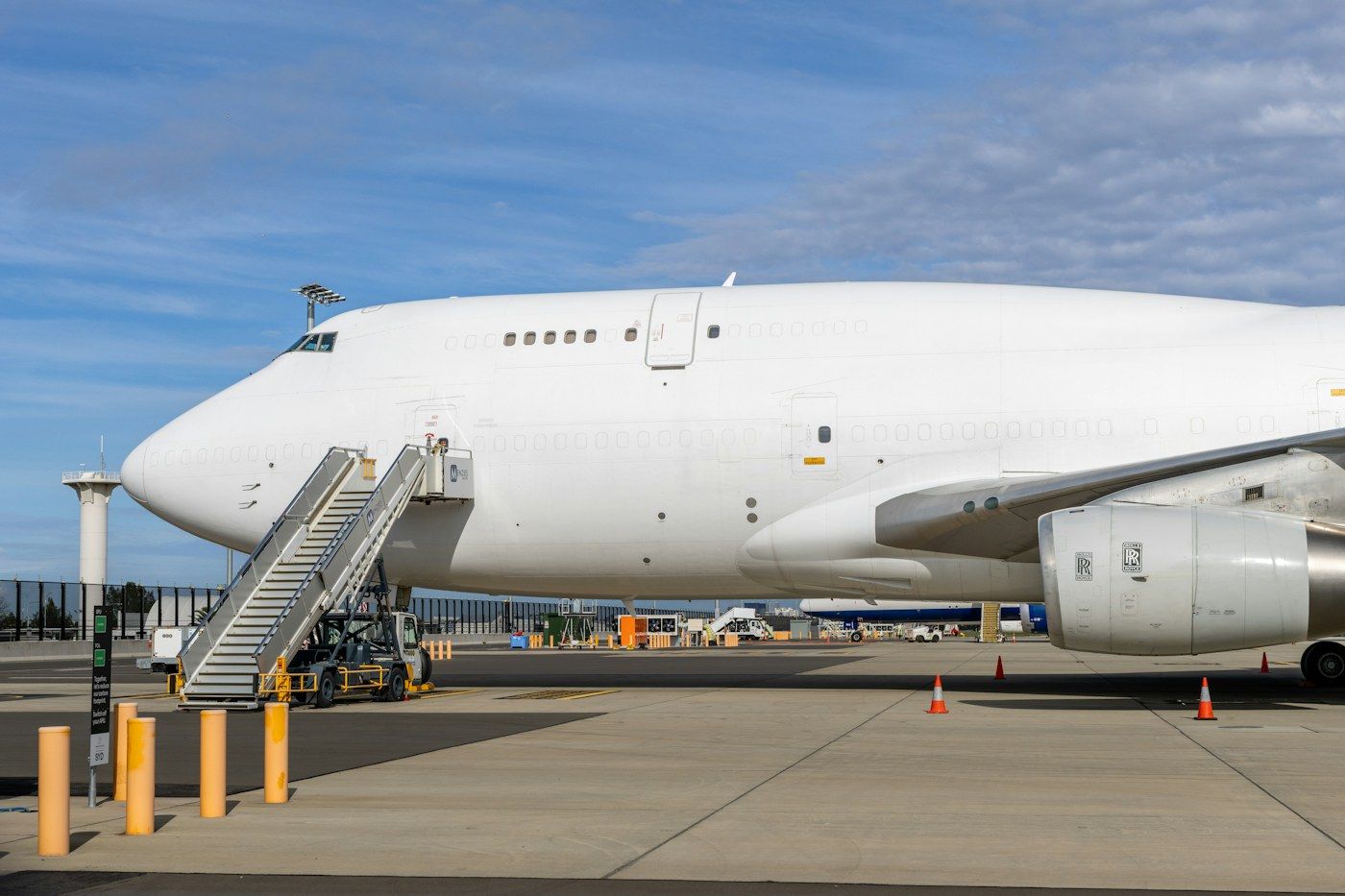
Part and full loads by air cargo, ocean freight and intermodal transport.
 Insurance
Cargo, fire, health, life, motor and traffic policies through our in-house agency.
Let’s Plan Your Customs Work Together.
Tell us about your goods, customs regime and timeline; we’ll work out the process plan and cost calculation together.